
Beyond Efficiency: How Cloud Platforms Transform Business Value
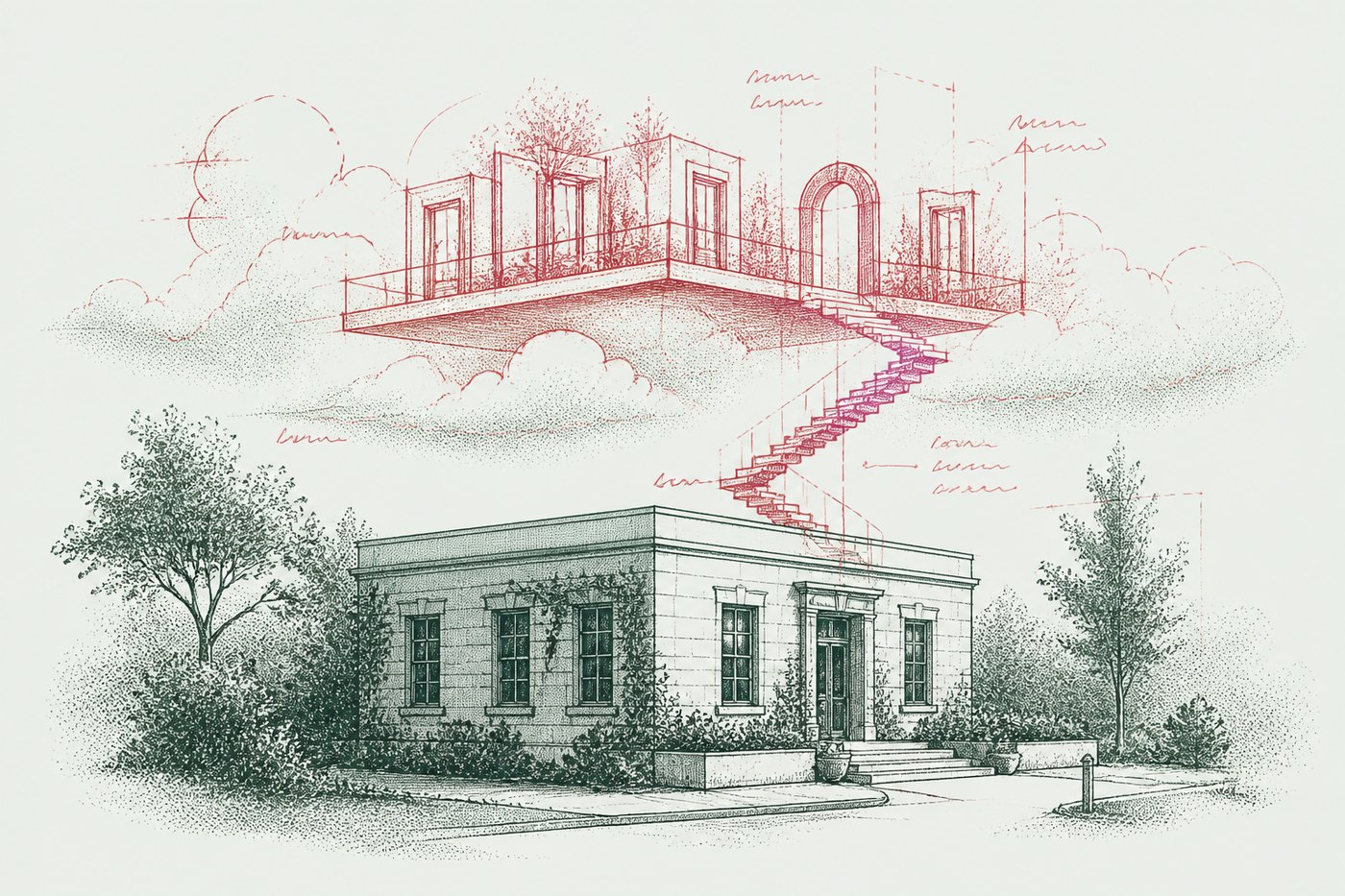
Most people meet cloud platforms with a single question: how do we make what we already do faster and cheaper? So they migrate systems, automate a few processes, and celebrate the savings. It is a reasonable instinct. It is also how the larger opportunity slips past unnoticed.
Efficiency removes friction. Capability adds strength. The intellectual property sitting inside your department, those workflows, insights and problem-solving methods your team has refined over years, is capability. The question is not whether cloud technology can scale it. The question is whether you will move before someone else does.
Why the efficiency mindset costs you the bigger prize
Your team has built something remarkable. A process for handling complex client requirements. A method for reading market data. A framework that turns chaos into clarity. These are not just internal efficiencies. They are the building blocks of new business models.
Shift the question and the picture changes. Instead of asking how to do the current work more cheaply, ask what becomes possible once the physical limitations are gone. The accounting firm that builds a platform around its client analysis is no longer automating paperwork. It is creating a product that can serve thousands of businesses at once. The logistics company that turns route optimisation into a service is no longer cutting fuel costs. It is building a revenue stream that scales without adding trucks or drivers.
Why one refined process holds several businesses
Every refined process contains more than one opportunity. You can scale internally and serve current customers better. You can license your methods to similar organisations. You can build a direct product that competes with established players. You can integrate with existing platforms and reach their customers. Each path asks for different technology decisions, a different definition of the customer, and a different route to market. Recognising what you already possess comes first. The spreadsheet everyone depends on is intellectual property. The questions your team asks to diagnose a problem are a methodology. The way you structure a solution is expertise others would pay for.
Cloud platforms make three things possible that traditional businesses cannot match:
- Scale without proportional increases in staff
- Global markets from day one
- Recurring revenue that compounds over time
Those advantages translate into higher valuations, stronger positions, and real protection against competitors. But only once you move past efficiency.
Why you plan a city, not build a house
This work asks for a different approach to ordinary business building. Think city planning rather than house construction. You lay the infrastructure first, then develop specific areas as demand appears. You test appetite before committing to full build. You validate assumptions with real customers paying real money. The smartest organisations prototype the transformation and prove the concept without building complete software. They find paying customers before writing code, and understand which model fits their market before making the technology investment.
Your expertise already exists. Your processes already work. Your intellectual property already solves real problems. Cloud platforms simply remove the barriers that keep that value from everyone who needs it. Every month spent only cutting costs hands a competitor time to spot the opportunity you are sitting on.
The transformation opportunity sits in your department right now. The only question left is what you will do with it.