
Digital Transformation Success Story: How We Saved 3 Hours Per Day
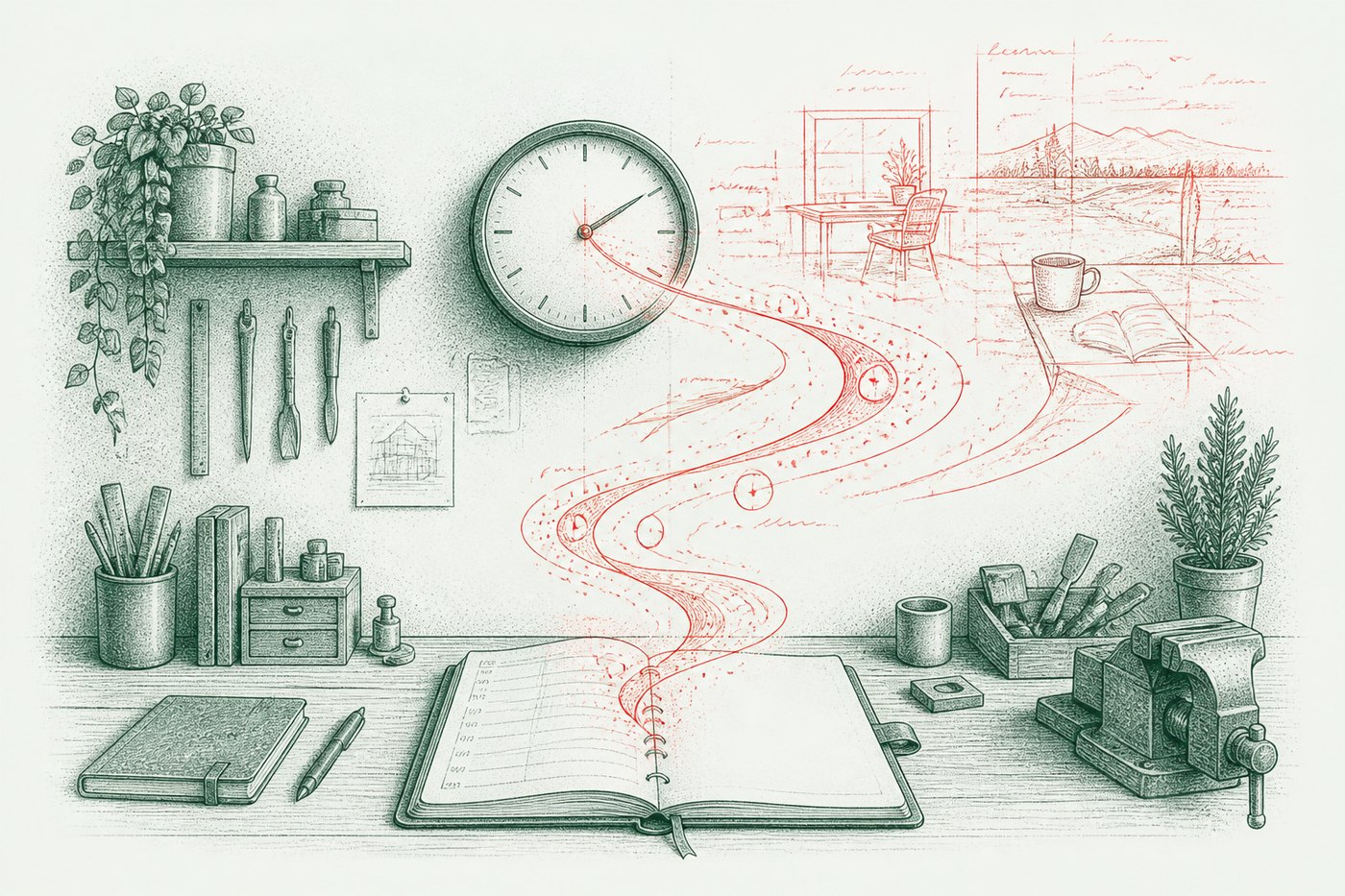
When a team spends more time wrestling with paperwork than doing the work that matters, something has to change. For one union, the membership process was stuck in the past: physical cards, manual data entry, and endless follow-ups, all eating into the hours organisers should have spent with members.
Why the old process was quietly costing them
The organisers were frustrated, and for good reason. They were losing hours each day to admin instead of building relationships. The paper-based system carried the usual costs: data entered twice, forms lost, no real-time tracking, constant back-and-forth with the office, and little visibility into where a membership actually stood. Every one of those is small on its own. Together they were the difference between an organiser in the field and an organiser at a desk.
Why they transformed the process instead of digitising it
The instinct in this situation is to take the paper form and put it on a screen. That would have missed the point. Working with a technology team, they stepped back and asked a better question: how can technology make this better for everyone, not just faster on paper?
The solution went well beyond digitisation.
- Mobile-first design built for organisers working in the field
- QR code scanning to auto-populate location data
- Intelligent member matching to prevent duplicates
- Real-time status updates
- Automated follow-up workflows
Why the results changed how the team works
The impact was immediate. Organisers saved three hours a day. Member visits rose by forty per cent. Paper-based errors disappeared. Member satisfaction improved, and the data was finally good enough to make decisions on. "This is freaking awesome" was the unanimous verdict from the organising team, who could at last focus on what they do best: connecting with members and growing the union.
A few lessons carry beyond this one project. Do not just digitise, transform. Put the user experience first. Start with clear goals. Get stakeholder buy-in early. And measure the wins so people can see them.
The success was never really about the technology. It was about changing how the work happens. Remove the friction, and a team does more with less effort, and spends its time where it counts.