
Embracing the Digital Twin
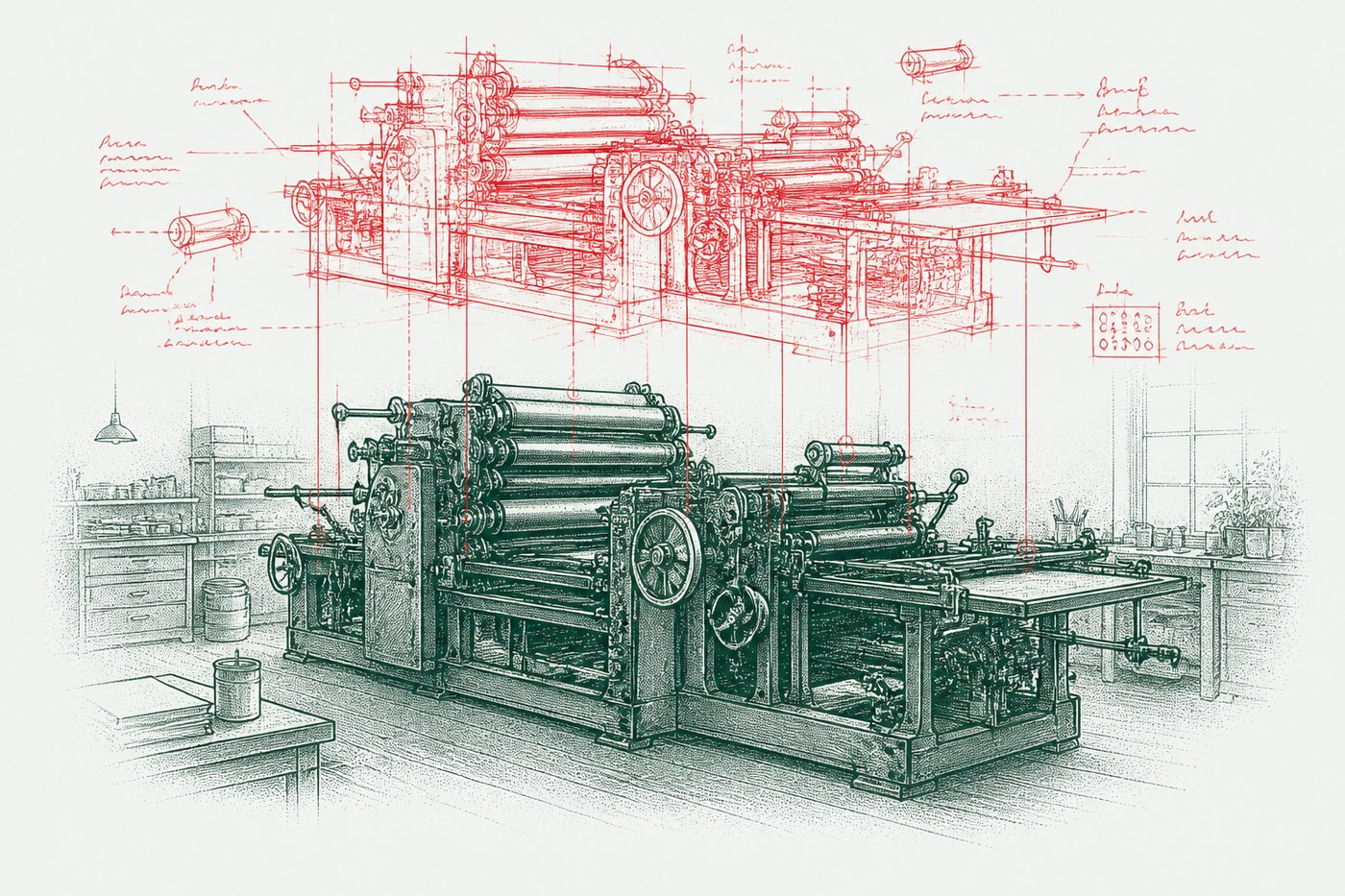
If your job is to drive real improvement, the obstacle is usually the same: an entrenched status quo and a set of systems that do not talk to each other. One idea cuts through that better than most. The digital twin.
Why a digital twin changes what you can see
A digital twin is a virtual replica of a physical entity or system. It uses real-time data to mirror how the business actually operates, so you can simulate, predict and optimise rather than guess. The benefits stack up quickly. It gives operational visibility, breaking down silos with an end-to-end view from customer intake through delivery and payment. It supports predictive analytics, letting you test scenarios and spot problems before they arrive. It drives cost optimisation, because a clear view of operations shows where resources are wasted. And it improves decisions, because people are working from real data aligned to the strategy rather than instinct.
Why automation alone misses the point
Too many businesses fall into the trap of simply automating what they already do. That is the "faster horse" again: a quicker version of the old process, with none of the rethink. The greater opportunity is to use technology to redesign the business model and operations, not just speed up the current state.
We saw the difference at News Limited, where we built a digital twin of a newspaper: every page, advertisement, colour and press configuration in one model. This comprehensive model, paired with process-specific tooling, moved them from manual, fragmented work to a streamlined operation. Some sites created an entirely new "edition control desk" to coordinate operations by watching live updates and making decisions in real time. Everyone was looking at the same current data, so they could decide with confidence rather than guesswork.
Why the delivery method matters as much as the model
Traditional software development often fails because developers work in an echo chamber, assuming they know what the customer needs without understanding the business context. The result is wasted effort and solutions that miss.
We work the other way around.
- Our Redprint process defines the software roadmap with the customer's input, so it can flex and adjust as things change.
- Our Deliver process validates with the customer at each step, aligning both sides before we build each component.
- We deliver minimal viable components iteratively, which reduces risk, invites continuous feedback, and keeps every increment tuned to the business strategy.
There is a further payoff. For a company looking to increase its valuation before an exit, a well-defined software roadmap can be decisive. We model the future transformational state and build it out over months or years, depending on the timeframe, which lifts the valuation and widens the range of potential buyers.
A digital twin is not just a clever model. It is a shared, living picture of the business that lets people break down silos, optimise the work, and decide together with confidence. Give an organisation one true view of itself, and better decisions follow.