
Lights, Camera, Transformation: Turning Everyday Processes into Digital Gold
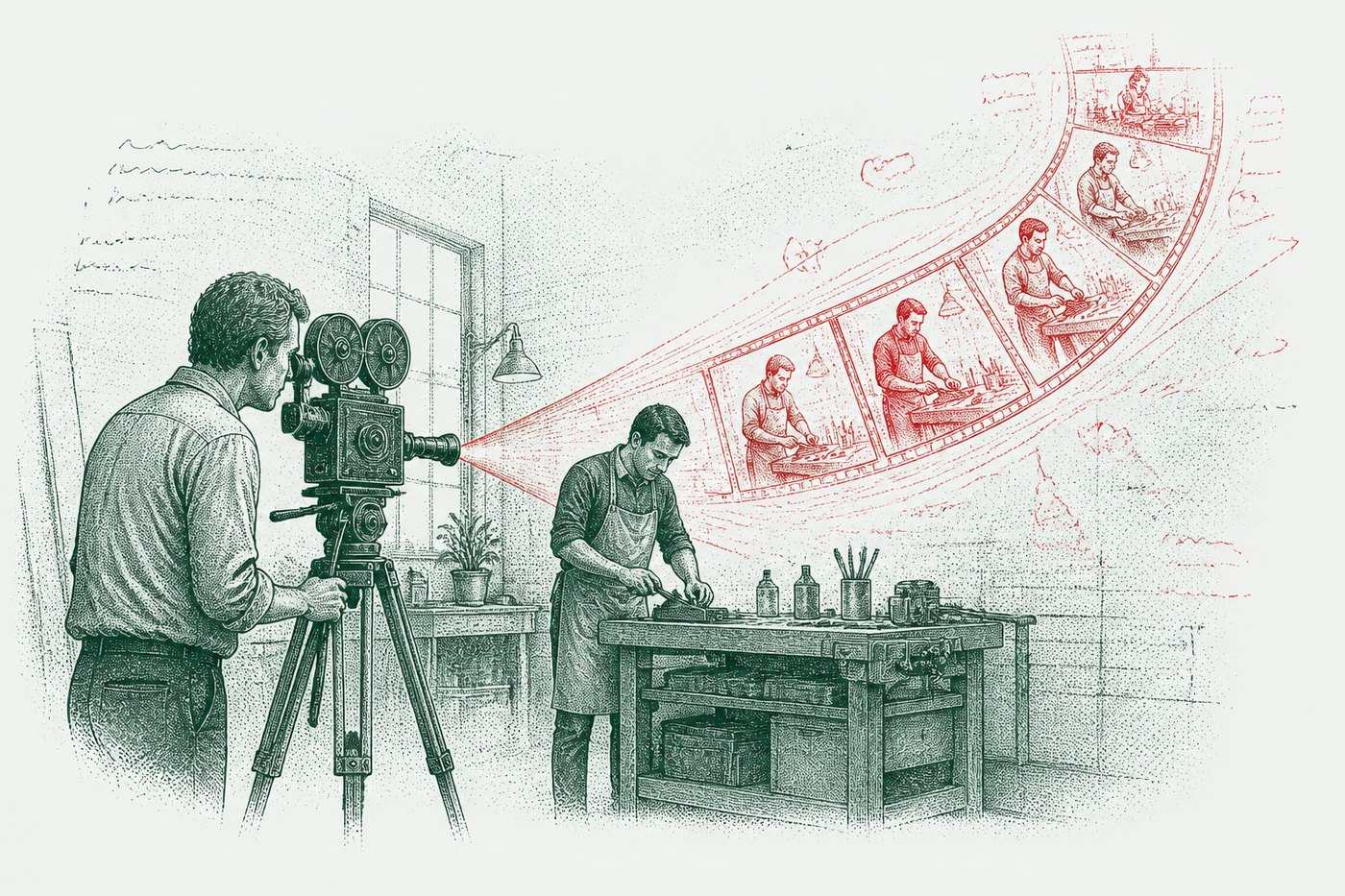
If your digital transformation were a film, what would it be. For a lot of organisations it plays out like the same scene on repeat: the same friction, the same setbacks, the same quiet frustration, week after week. Most transformations never meet the objectives they were sold on. The reason is rarely the technology. It is the story the technology was asked to tell.
Why most transformation stories have plot holes
The common failures are easy to recognise once you look for them. The first is the belief that buying capable software is the same as changing how people work. The tools arrive, and the team carries on with its spreadsheets and sticky notes, because transformation was treated as a purchase rather than a change in process.
The second is reaching for the flashy solution before understanding the problem. It is the equivalent of adding special effects before anyone has written the script. The third is competing visions. When everyone directs at once, you end up with something that pleases nobody and confuses everybody.
The real villains are not the ones you expect
The obstacles that matter are rarely legacy systems or budgets. They are quieter than that. There is the trap of assuming either nobody wants what you are building or everybody will. Both are usually wrong. There is complexity creep, where features are added faster than the organisation can absorb them. And there is the temptation to copy another company's success without understanding the context that made it work. What transformed their business will not automatically transform yours.
How to rewrite the story
A better approach is patient and ordinary. Start with a clear statement of the problem, and be honest about who it is actually for. Define what success looks like before anyone rolls the cameras, and describe it in business outcomes rather than technical features.
Then build in small acts. Begin with a minimum lovable product, closer to a pilot episode than a full season. Test it with real users rather than assumptions made in a boardroom, and let genuine feedback shape the next version. Scale what works and cut what does not. Keep the story focused on the people it was meant to serve.
Where the gold is hiding
The most valuable material for all of this is already inside your business. It sits in the spreadsheets your best people have quietly perfected, in the checklists that stop things going wrong, in the manual routines that somehow always work. This is intellectual property. It is know-how that has been proven in daily use, and it is the raw material of a genuine digital asset.
Transformation is less about invention than recognition. An automation that one expert built for themselves can become a platform. A quality checklist can become an app. A scheduling headache can become a service. None of it requires a blockbuster budget. It requires the right problem, the right audience, and a guide who has walked the path before.
Your everyday processes are more valuable than they look. The work is to see them clearly, prove their value on a small stage, and let what works grow.