
The Customer Progression: Mapping the Path to a Paying Customer
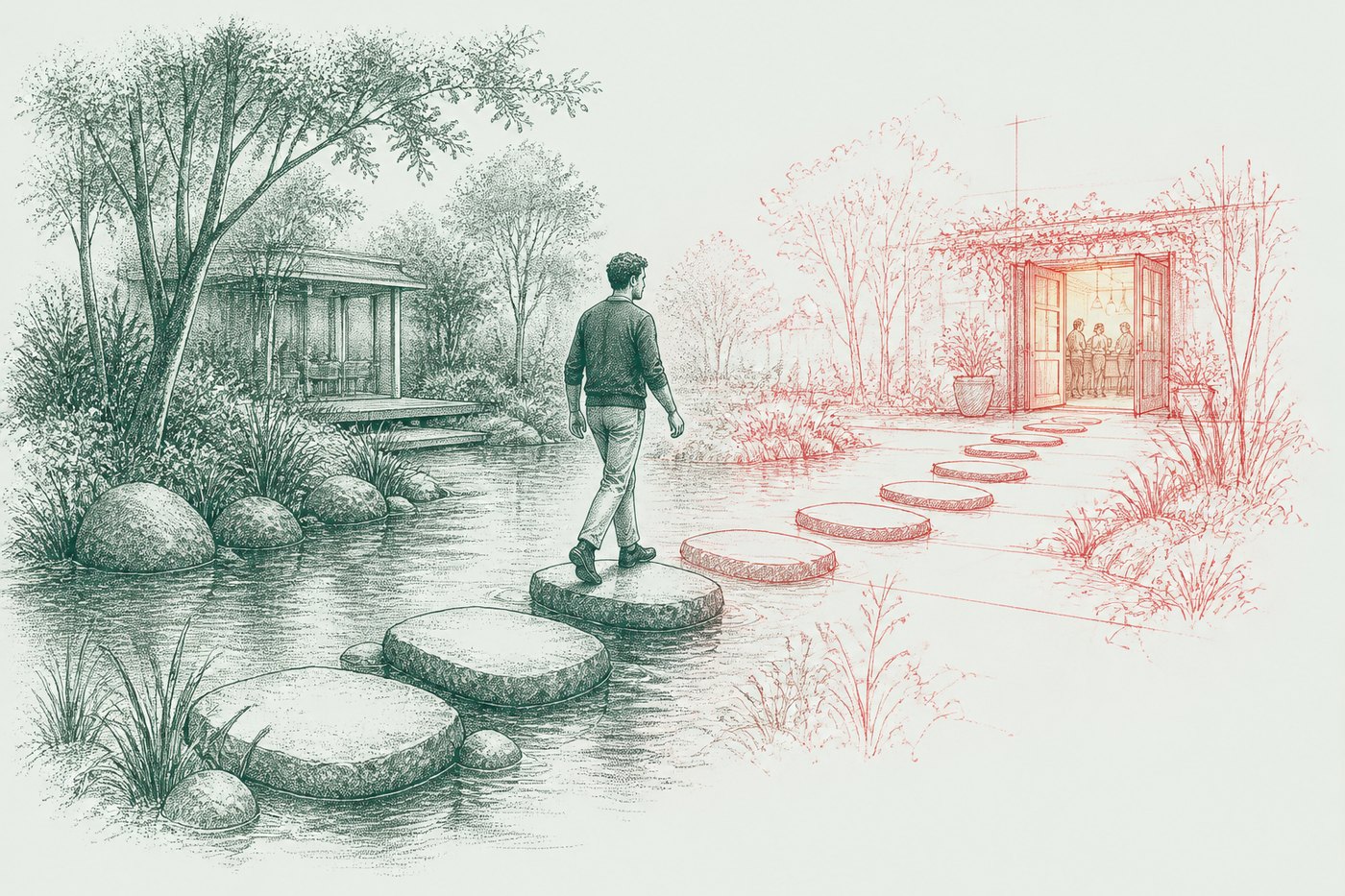
Most people who set out to build something new picture the moment a customer arrives ready to use it. The reality is quieter and slower. Customers move through stages, from not knowing you exist to becoming someone who pays. Understanding that progression is one of the most useful things you can do when you document your idea.
Why customers do not simply appear
It is an easy assumption to make, especially for inventors close to their own solution. You can see the value, so surely others will find it. In practice, no one arrives fully formed as a user. There is a path in front of that moment: becoming aware, building trust, agreeing terms, being set up correctly. Skip the work of understanding that path and you are left waiting for customers who never come.
Before anyone benefits from what you have built, several things need to be in place. Look at the information you need to set up a client, the agreements that need signing, the elements that let your solution succeed. These are not incidental. They are the conditions that allow value to be delivered at all.
Why the steps before usage matter
Consider the actions, interactions and decisions that come before someone uses your solution. Signing an agreement. Making a payment. Attending a meeting. Subscribing on your website. Each is a small threshold the customer crosses on the way to becoming a paying user. Set them out and they form a sequence you can see, improve and repeat.
This is where step-by-step progression earns its place. Examine each stage and understand the prerequisites and activities that move a customer from one to the next. Customers do not magically discover your solution or arrive ready to use it. When you document the marketing and sales pipelines, you make the necessary steps, interactions and touchpoints visible.
Why mapping the progression compounds
That visibility is what lets you act with intent. It allows you to develop marketing that meets people where they are, messaging tailored to each stage, and sales processes that align with the customer's journey rather than working against it. The map does not just describe the path. It becomes an asset you refine over time, and each refinement makes the next customer easier to win.
A solution is only as strong as the path that leads to it. Map the progression, and you stop hoping customers arrive. You start guiding them there.