
The Strategic Edge of Bespoke Software Development in Modern Business
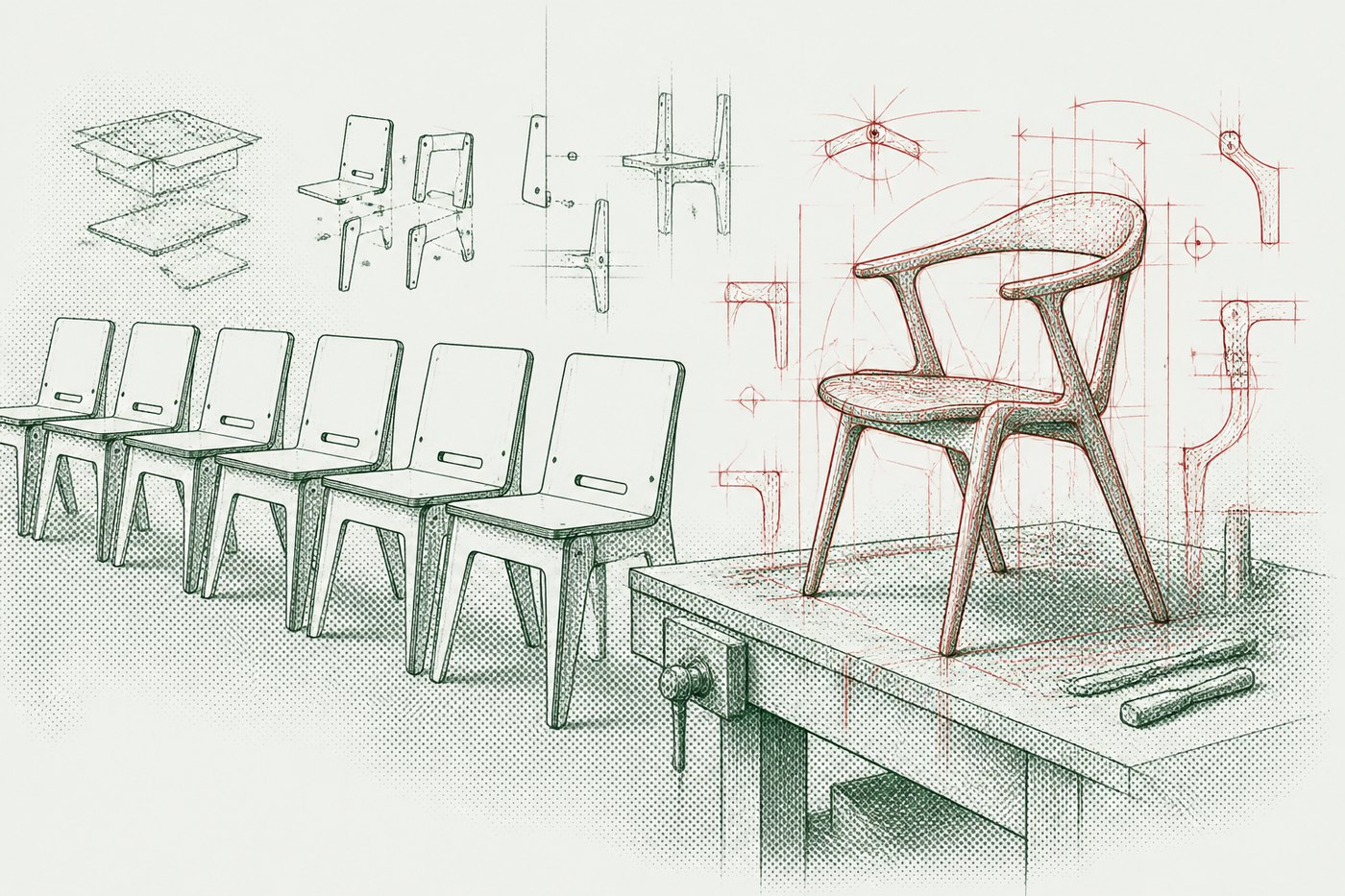
How does a business stay ahead when the digital ground keeps shifting beneath it? Part of the answer lies in refusing the one-size-fits-all option and building software that fits your business precisely. Off-the-shelf tools are convenient, and for straightforward needs they are often enough. But convenience has a ceiling. When your processes are genuinely your own, generic software asks you to bend your business to fit the tool. Bespoke software does the opposite.
Why tailored software earns its name
Bespoke software, sometimes called custom or tailor-made, is built from the ground up around the precise requirements of one business. Where off-the-shelf products are designed for a broad crowd, bespoke software is crafted for your processes, your workflows and your goals. That is what lets it become a point of difference rather than a cost of doing business. It optimises the work you actually do and delivers value your competitors cannot easily copy.
Most organisations reach for it when the generic option starts to strain: it will not scale, it will not integrate with the rest of your systems, or it cannot support the particulars of your industry. As a business explores new revenue models and reshapes how it operates, tailored software provides the flexibility to move with changing conditions rather than against them.
Why the pitfalls are worth naming
Building bespoke is not without risk. The most common failure is not technical. It is a lack of engagement and clear communication between business leaders and the development team. Software only aligns with strategy when the people who understand the business stay close to the people who build it. Hand the work to an under-equipped team, or treat it as something to outsource and forget, and the result disappoints. The quality of the partnership sets the quality of the outcome.
Why the advantages compound
Done well, the benefits build on each other. Bespoke software is designed with scalability in mind, so it adapts as your needs evolve and makes room for new models and ideas. By fitting your processes exactly, it streamlines operations, reduces manual effort and automates the repetitive, which lifts productivity and sharpens the customer experience through faster, more personal service. It can reshape onboarding and service delivery too, integrating with existing systems to give customers a single, coherent platform.
The financial picture follows the same shape. The upfront cost is usually higher than a subscription to something generic, but the long-term return tends to outweigh it. Efficiencies accumulate, manual work falls away, and the software itself becomes an asset that lifts the overall value of the business. As new offerings and recurring revenue streams grow from that foundation, the investment keeps paying back.
Consider how this plays out in practice. A logistics business builds a platform to optimise its supply chain and finds both cost savings and happier customers. A financial services firm uses tailored software to streamline compliance, lowering regulatory risk while sharpening its edge. The common thread is not the technology. It is the alignment between the tool and the specific work it was built to serve.
Off-the-shelf software will always be the faster purchase. Bespoke software is the stronger asset. When technology is aligned to your processes, objectives and customers, efficiency and capability grow together, and that is the edge that lasts.