
The Three Levels of Digital Transformation: Understanding Your Return on Investment
When you invest in a digital transformation, the first question is rarely the right one. Most people ask what it will cost. The better question is what return it can create, because the answer is not a single number. Going digital opens up three distinct returns, each a progressive level of transformation. They range from sharpening the business you already run to reshaping the market you compete in. Understanding the difference is what turns a technology project into a strategic decision.

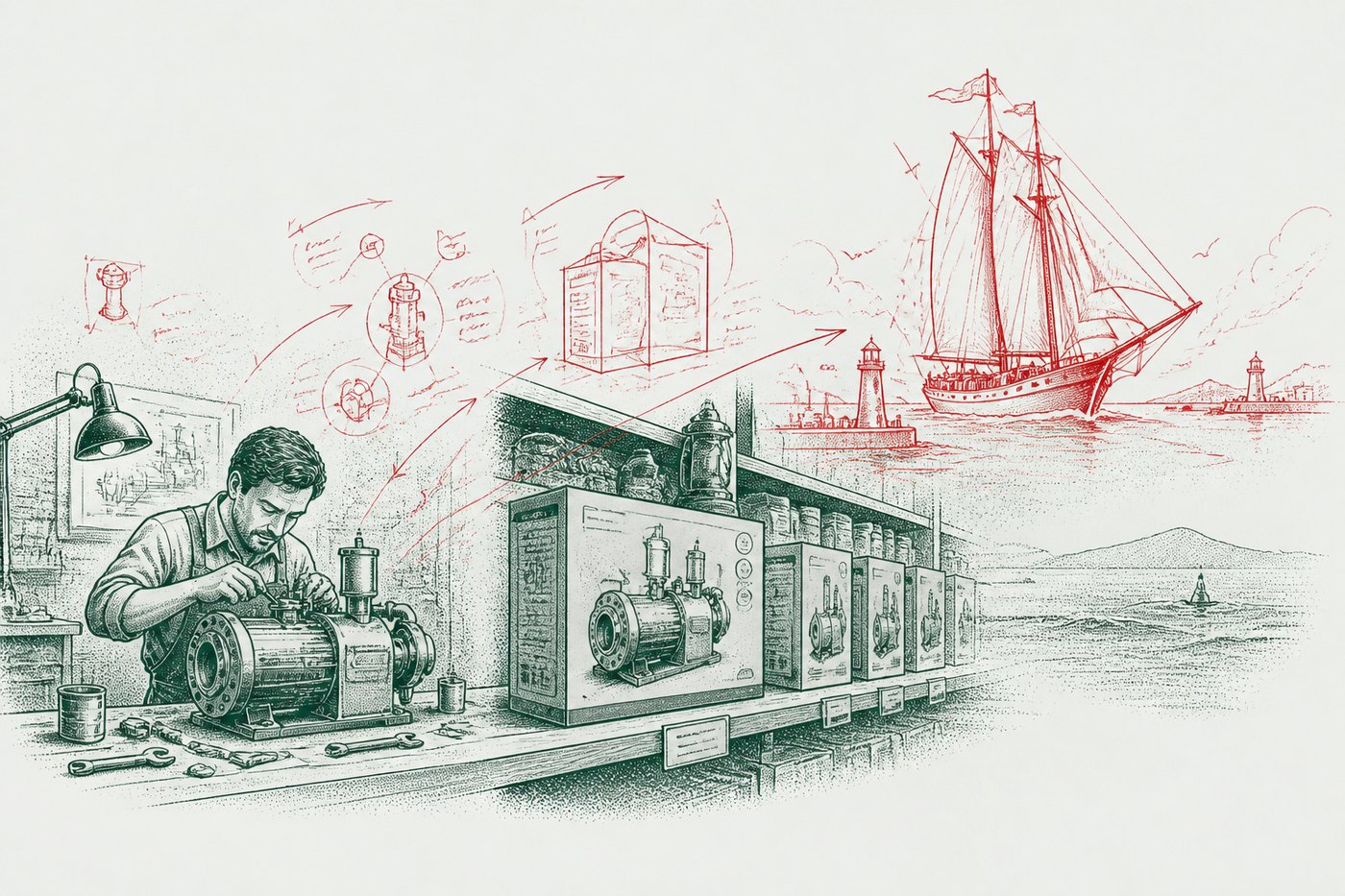
The three levels of digital transformation — each builds on the one before it.
Why efficiency is the foundation, not the finish
The first level is efficiency enhancement, and it is the most immediate. Here you stay in your current marketplace with the same basic business model, but you do what you already do far more efficiently. Your cost base reduces substantially. Your capacity to serve customers increases. Your margins improve, and you hold your position while becoming harder to compete with.
This is the level most organisations picture when they think about going digital, and it is a genuine, worthwhile return. But it is also a foundation rather than a finish. Efficiency removes friction from the work you already do. What makes this level matter is not only the savings it delivers, but the proven, working system it leaves behind. That system becomes the platform everything else is built on.
Why your proven solution is worth more than your operations
The second level is where many organisations stop looking too early. Once you have proven a digital solution inside your own business, you have built something other businesses in your industry need. You can package it and sell it to them.
This is the franchise prototype. You keep your existing business running efficiently and profitably, and you create an entirely new revenue stream on top of it. The competitors who were once only rivals become a market. You help them transform their operations, and you do it from a position of proven success rather than theory. The advantage here is subtle but important: you are not selling a promise, you are selling something you have already made work. Proof of value is the product.
This is the moment efficiency turns into capability. The first level made your operations leaner. The second turns the know-how behind those operations into an asset with a value of its own.
Why the biggest return means leaving your current game
The third level is the most transformative, and it asks the most. Here you move away from your current competitive space entirely. This is a blue ocean strategy, where digital transformation reshapes not just how you operate but where you compete.
At this level you can offer something genuinely new to customers, reimagine how you work with suppliers, and develop new business and revenue models. It lets you pivot away from highly commoditised markets and create differentiation that is difficult to copy. The power comes from how technology removes the constraints that used to define what was possible. Time limitations fall away. Restrictions on how much you can handle disappear. Distance stops mattering. Once those constraints are gone, you can do things differently, at a drastically lower cost, and deliver experiences that simply were not available before.
Why the level you choose is the real decision
Each of these returns is enabled by going digital, but they are not the same thing, and they do not deliver the same kind of value. This is the point most transformation conversations miss. Digital transformation is not about making current processes faster. It is about choosing the level of transformation that fits where you want the business to go.
So the real question is one of intent. Do you want to optimise the operations you already run? Could your transformation become a new revenue stream in its own right? Or is it time to reshape your market position entirely? The honest answer to that question shapes everything: the investment, the approach, and the return you can reasonably expect.
The three levels build on one another. Efficiency proves the system. The prototype proves its value to others. The blue ocean move turns that value into a new position altogether. You do not have to reach the third level to succeed, but you should know which one you are aiming for before you begin.
Digital transformation is not one return. It is a choice about how far you are willing to go.